In Session with Self-Harming &
Suicidal Trans Youth
In Person or Online
The Academy SF, Castro, SF
Friday August 14, 10am to 3pm
(Lunch included)
Exploring the impact of minority stress on self-harming and suicidal trans youth while introducing the person-centered model of self-injury recovery and narrative expressive arts interventions.
Core Knowledge
Develop comfort and foundational knowledge for working with self-harming and suicidal trans youth, including relevant vocabulary and the impact of minority stress.
Therapeutic Skills
Acquire therapeutic intervention skills, specifically using the person-centered model for self-injury recovery and integrating narrative expressive arts for building self-identity and resilience.
Safety Triage
Master skills for safety planning and triaging clients, including distinguishing when to refer them to an Emergency Department for 5585/5150 assessment.
About the Presenter
Stephanie Lay, LMFT
Stephanie Lay, LMFT (they/she) specializes in working with self-harming and suicidal trans youth. Before becoming a therapist, they worked at Edgewood Center for Children and Youth for 5 years, supporting high-needs and at-risk youth.
They earned their Master’s Degree in 2019 from CIIS in Counseling Psychology and Expressive Arts Therapy, facilitated group therapy at St. Mary's Adolescent Inpatient Psych Unit for two years, and performed suicide-risk assessments on UCSF BCHO's Behavioral Emergency Response Team for four years. They now run a private practice, Zombie Therapist, where they are dedicated to keeping youth safely supported at home and in their communities.
Stephanie is an active member of World Professional Association for Transgender Health, Mind the Gap – Gender Youth Providers, and Inclusive Therapists.
Learning Objectives:
- Define Non-Suicidal Self-Injury (NSSI), distinguishing it from suicidal behavior based on intent and function, with at least three defining characteristics.
- Identify the five thematic drivers of NSSI among trans youth (double stigma, need for self-actualization, battling with the body, transition as a turning point, and lack of control).
- Differentiate between key terms related to trans identity, including AFAB, AMAB, non-binary, transfemme, transmasc, stealth, binder, and HRT, and apply accurate terminology in clinical documentation and communication.
- Distinguish between suicidal ideation, suicidal intent, and a suicide attempt using the definitions provided, and explain how each requires a different clinical response.
- Identify at least five warning signs of suicidal ideation in adolescents, including behavioral, verbal, and emotional indicators.
- Apply a structured clinical decision-making flowchart when a teen discloses suicidal ideation, identifying when to explore a safety plan versus when to facilitate an emergency department referral.
- Describe the minority stress model and its relationship to suicidality in trans youth, naming at least three minority stressors (isolation, perceived burdensomeness, low self-worth, gender identity discomfort) that elevate risk.
- Explain two core tenets each of Person-Centered Therapy and Narrative Therapy applicable to trans youth who self-harm.
- Apply the Person-Centered Model of Self-Injury Recovery (Lewis & Hasking, 2020) by naming at least four recovery components (normalizing urges, fostering self-efficacy, addressing scarring, and navigating disclosures).
- Demonstrate knowledge of harm reduction approaches by identifying at least five replacement coping strategies.
FAQs
Does this course meet license renewal requirements?
Is this course suitable for beginners?
Can I get more info on the venue?
Do you offer group discounts?
What's for lunch?
I want to be social but sometimes need a break...
In Person Held at The Academy SF
View the virtual tour of the East Wing, where the training will be held.




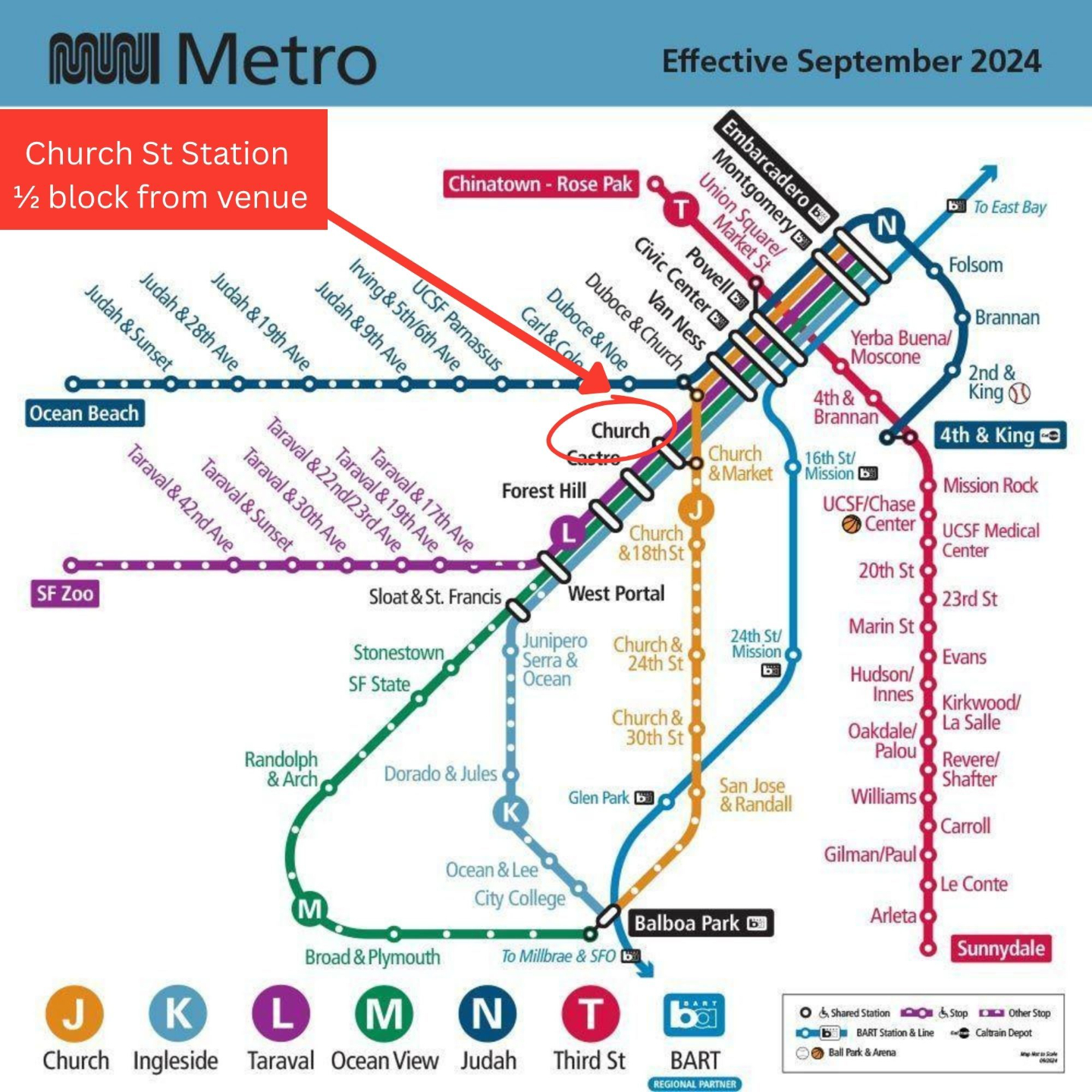

Only 60 tickets available for our in-person training with hands on expressive arts activities.
Learn concrete skills in a room full of values-aligned therapists, join us on August 14th!
Hear from others:
Ari, LMFT
Rouse Academy’s courses are thoughtfully crafted. The workshops are helpful for any clinician serving trans/queer communities of color.
"Consensual Non-Monogamy for Mental Health Professionals" Attendee
Love taking and being part of these workshops; super informative and a great place to ask questions.
"From Silence to Connection" Attendee
Really appreciated all of the very unique knowledge and understanding of more alternative sexual styles and choices and clinical approaches.
Anthony M, AMFT
Great balance between being informative and conversational.
Approved by CAMFT
David F Khalili, LMFT is approved by the California Association of Marriage and Family Therapists to sponsor continuing education for MFTs, LCSWs, LPCCs, and LEPs licensed through the California Board of Behavioral Sciences. David F Khalili, LMFT maintains responsibility for this program/course and its content. Contact him at www.rouseacademy.com, phone 415-448-6743, 4124 18th St, San Francisco, CA 94114, or david@rouse.academy.